Conveyor Belt Parameters and Selection: How to Choose a Transport Belt
Belt selection is an engineering calculation, not a length match. Learn how width, cover thickness, tensile strength, operating conditions and splicing determine performance and belt life.
Belt Selection as an Engineering Calculation
Choosing a transport belt for a belt conveyor is not simply selecting a rubber strip of the required length; it is an engineering calculation on which capacity, service life and operating cost of the whole line depend. An error in width or strength causes spillage, tears and unplanned stoppages, so the key parameters must be calculated rather than estimated.
Belt Width
Width is selected from lump size and required capacity. For lumpy material, the belt should be at least 3 to 4 times the maximum lump size to avoid spillage; the standard range runs from 400 to 2400 mm. A wider belt raises capacity but demands a reinforced idler frame structure.
Cover Thickness
The belt consists of a carcass and two rubber covers, the top cover contacting the material and the bottom cover contacting the rollers. For abrasive material the top cover should be thicker, up to 2 to 3 times the bottom cover; the bottom cover is matched to roller diameter and load. A correct thickness ratio extends life without unnecessary cost.
Tensile Strength of the Carcass
Carcass strength defines the maximum tension the belt can carry and is calculated from conveyor length, lift height, capacity and carcass type. For fabric belts strength is expressed in N/mm of width, and for steel-cord belts also in N/mm; insufficient strength leads to stretching and tearing, while excessive strength adds unjustified cost.
Matching the Belt to Operating Conditions
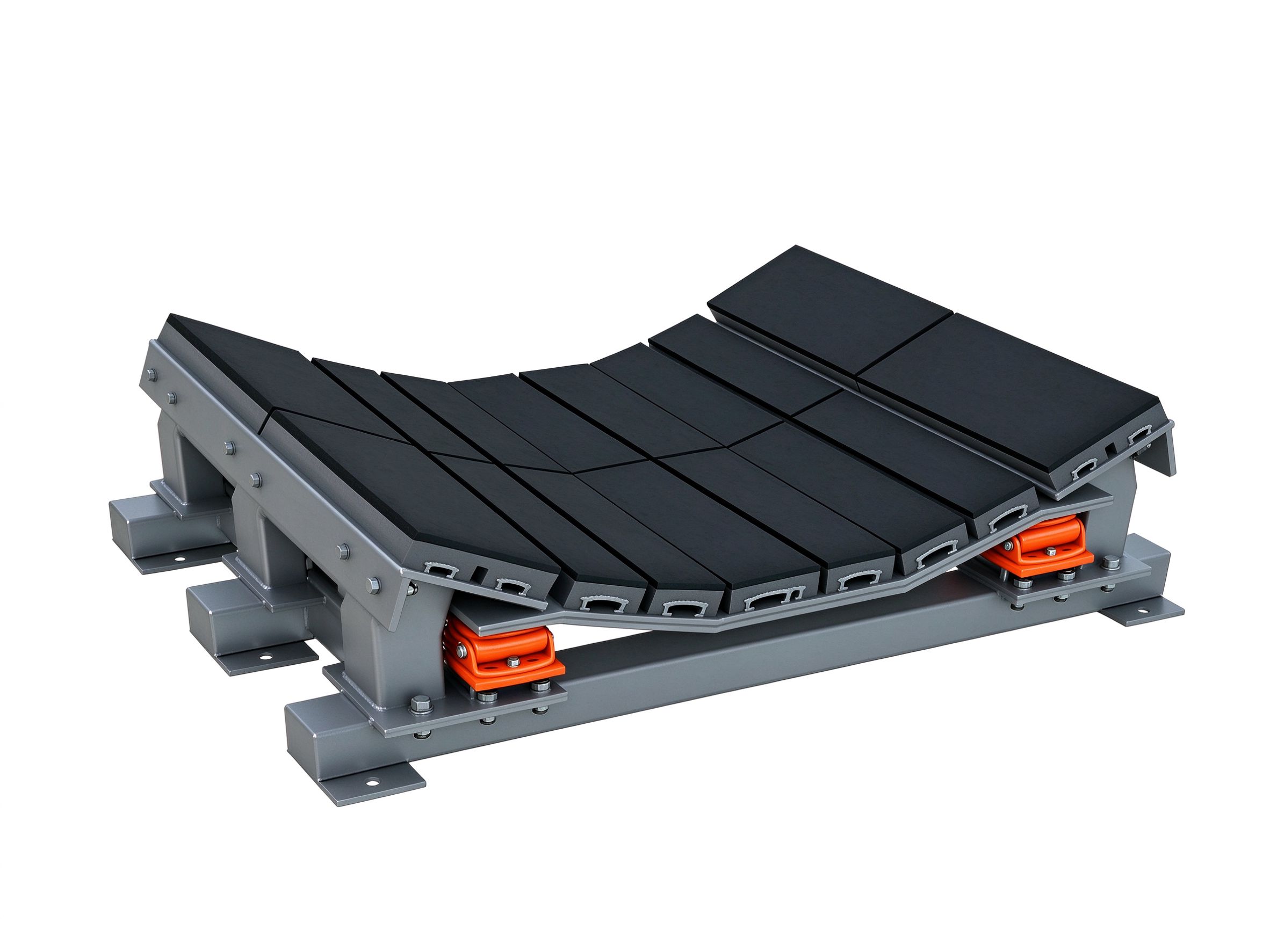
For hot material such as clinker, cement and ash, heat-resistant belts retain elasticity at high temperatures; for cold climates, frost-resistant belts do not crack at -40°C, while ordinary rubber degrades quickly at extremes. Ore, crushed stone and gravel abrade the top cover heavily, requiring a thicker top cover and wear-resistant rubber compounds, with impact rollers added at loading points to reduce shock. Wet, sticky material such as coal, clay and concentrate adheres to the belt, calling for a smooth, low-adhesion top cover and cleaning rollers on the return run. Fertilizers, salts and chemicals attack ordinary rubber, so oil- and fuel-resistant or acid-resistant belts are used, considering not only the carried material but also interaction with product residue on the return side.
Hot Vulcanization Versus Mechanical Fasteners
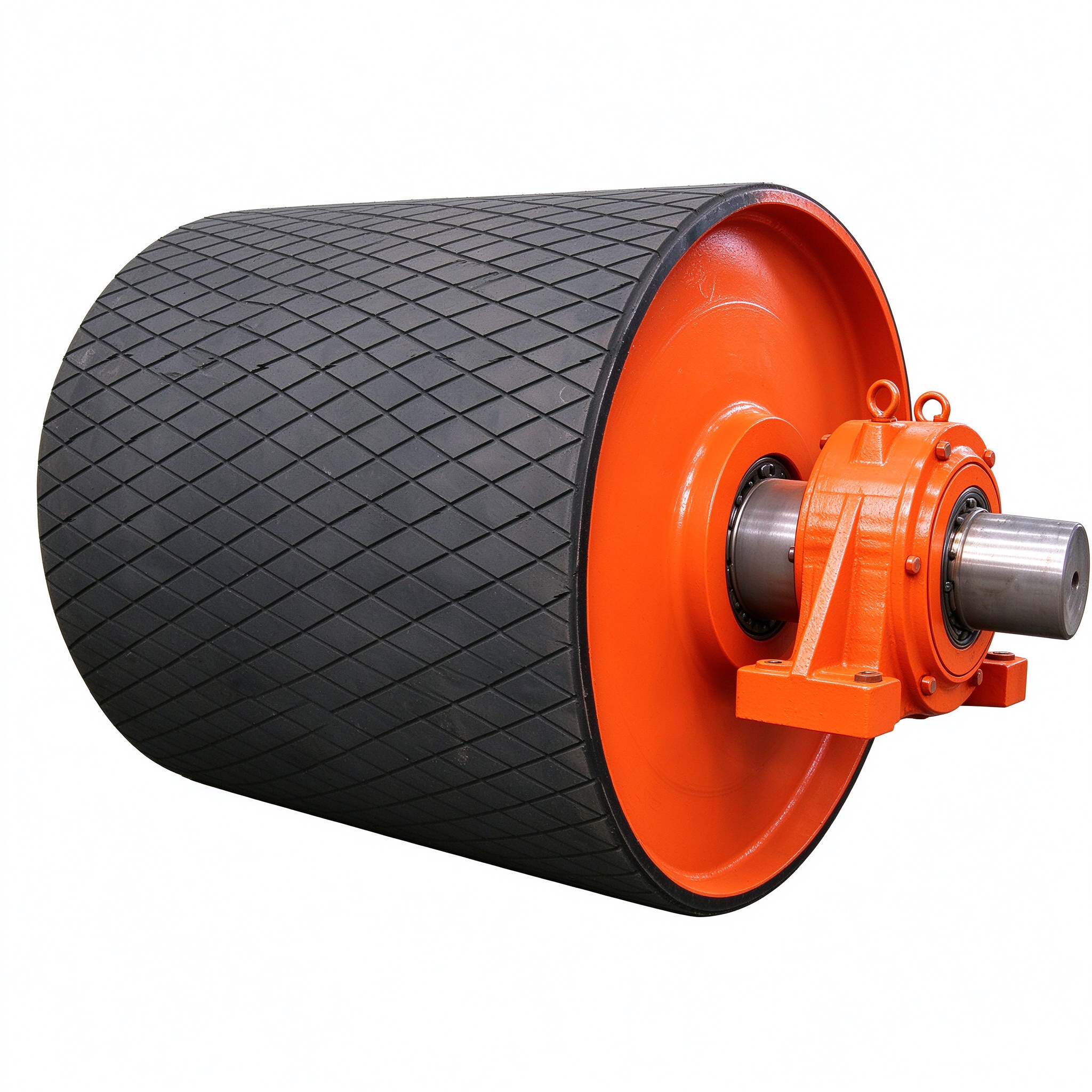
A vulcanized splice is the strongest and most durable: the joint almost matches the solid belt and reduces vibration as it passes the drive pulleys, but it requires a line stoppage and qualified personnel. Mechanical fasteners install faster and need no prolonged stoppage, yet create surface irregularity that accelerates cleaner wear and may damage material; they are used on temporary lines and where the belt is re-spliced frequently.
Conclusion
Belt selection balances strength, wear resistance and cost; every parameter must fit the specific material, route length, temperature and load.