How to Choose Conveyor Rollers for Harsh Conditions
Conveyor idlers directly determine belt conveyor service life. This guide matches roller type, tube material and bearing housing to abrasion, low temperature and corrosive duty.
Why Roller Selection Determines Conveyor Life in Harsh Conditions
Conveyor idlers are the components on which belt conveyor service life depends most directly. Under abrasive wear, low temperatures and aggressive environments, an incorrect roller choice accelerates failure of the whole line, so the type, material and bearing assembly must be matched to each operating condition rather than selected from a standard catalog.
Roller Types Suited to Harsh Duty
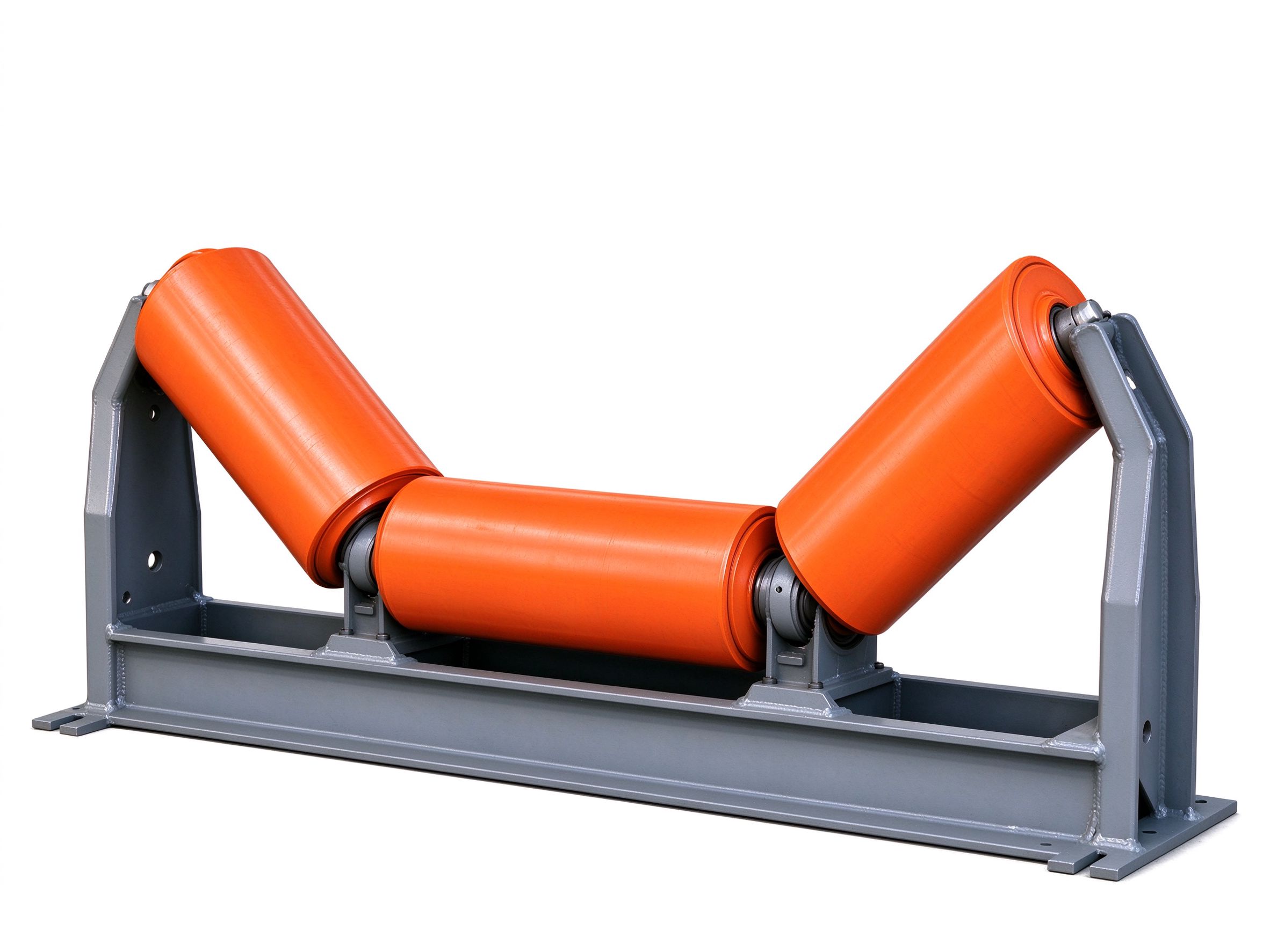
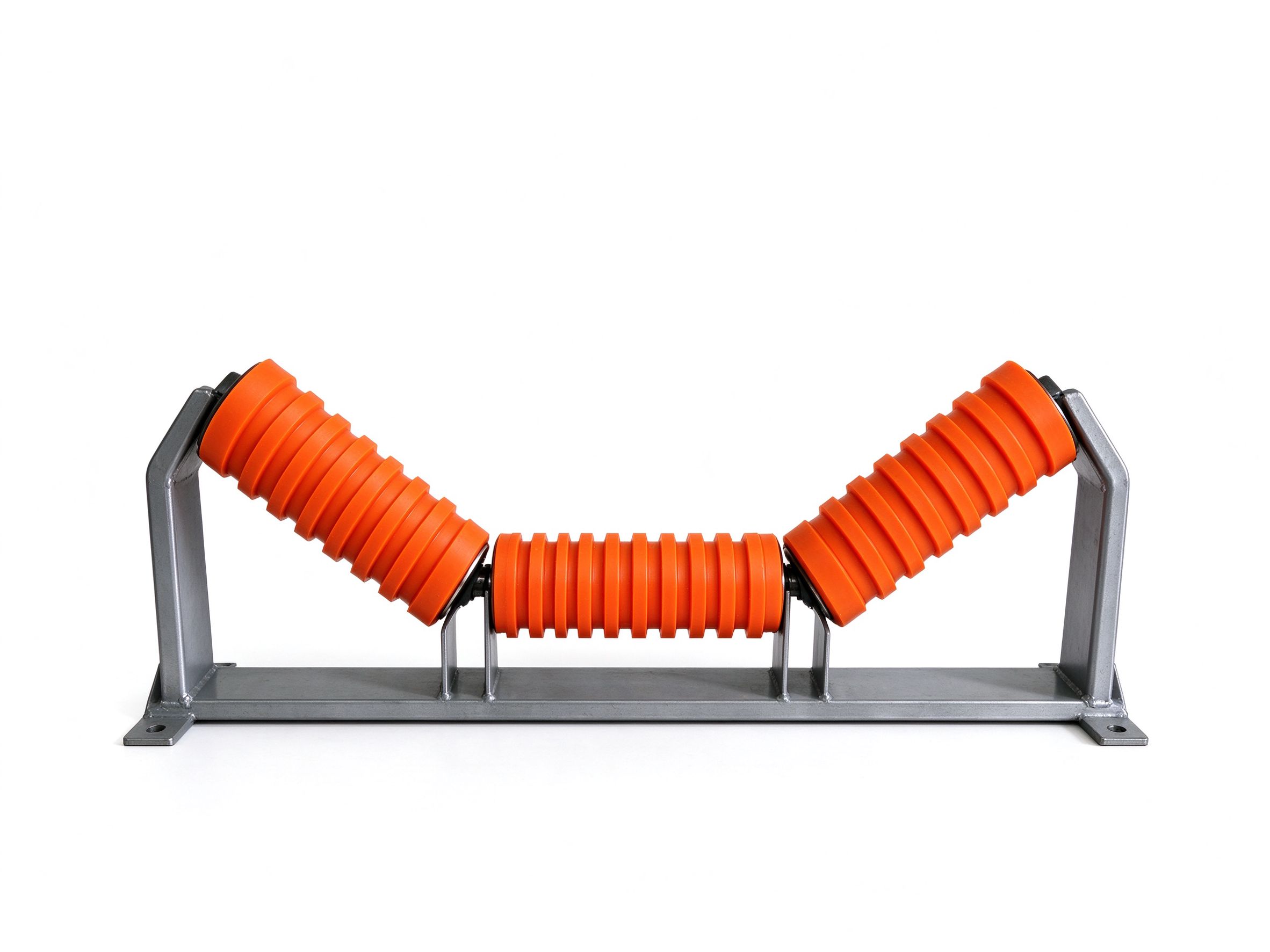
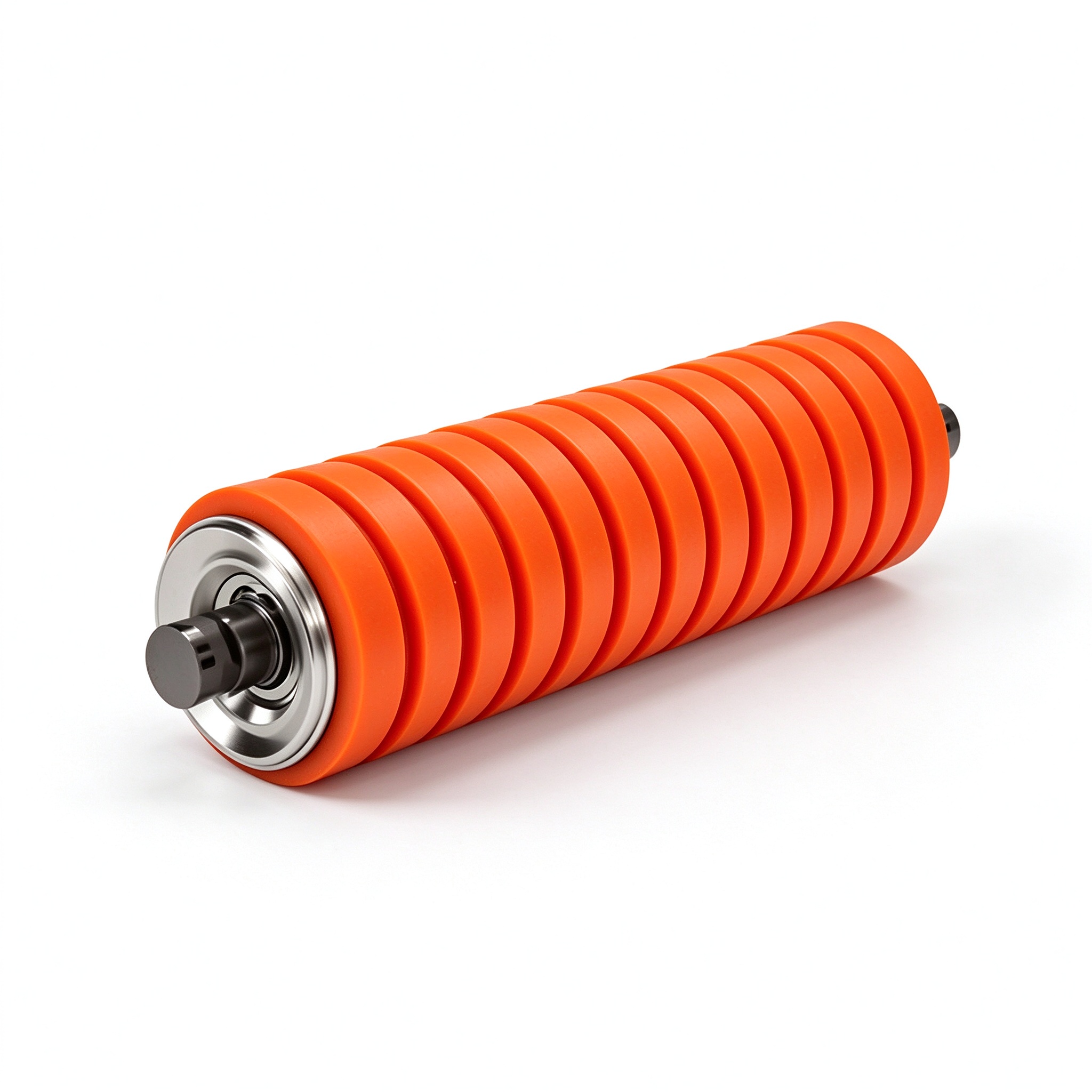
Steel rollers are the base solution for moderate loads; for severe service they are supplied with thicker tube walls and sealed bearings to carry high loads during intensive operation. Impact rollers fitted with rubber rings are installed at loading points where material drops onto the belt; they absorb shock loads and protect the belt from tearing, and are mandatory when handling large-lump material. HDPE rollers, made from high-density polyethylene, resist corrosion and tolerate acids, alkalis and salts in chemical plants, seaport marine climates and high-humidity sites. Spiral cleaning rollers remove adhered material from the return run, preventing buildup and reducing equipment wear in wet, sticky conditions.
Matching Rollers to Abrasive Materials
For ore, crushed stone and gravel, rollers with a wear-resistant coating are required; ceramic coating or reinforced steel withstands continuous contact with abrasive particles and delivers a long service life compared with plain tubes.
Low-Temperature Operation Down to -40°C
For service down to -40°C, rollers use low-temperature grease so bearings keep rotating in frost and seals retain elasticity; this is especially important for cold northern regions.
Corrosive and Aggressive Environments
In chemical plants and seaports exposed to salty marine air, steel rollers corrode rapidly, which makes corrosion-free HDPE rollers the preferred choice, since they require no additional protection against oxidation.
Conclusion
Selecting conveyor rollers for harsh conditions means matching the type, material and bearing housing to the specific environment; a correct choice extends the life of the entire conveyor line and lowers operating costs.