CEMA Idler Standards Explained: What B, C, D and E Actually Mean
The Conveyor Equipment Manufacturers Association rating system decoded — load capacity, bearing size and tube diameter.
What CEMA grades describe
CEMA B/C/D/E define the rated load, tube diameter range, bearing bore and expected life of an idler under standardized conditions. The grade is a sizing baseline, not a brand warranty.
B and C: light and medium
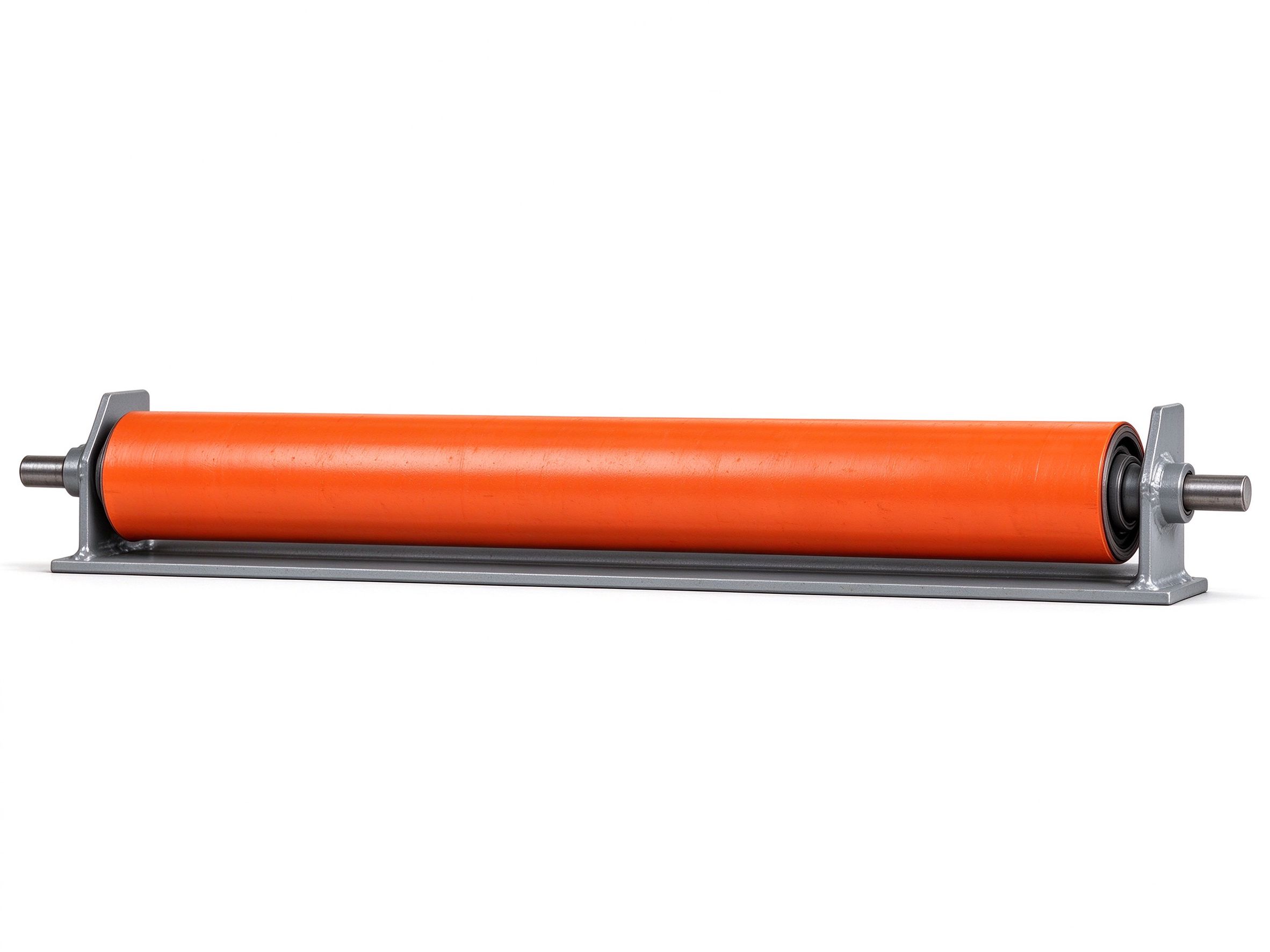
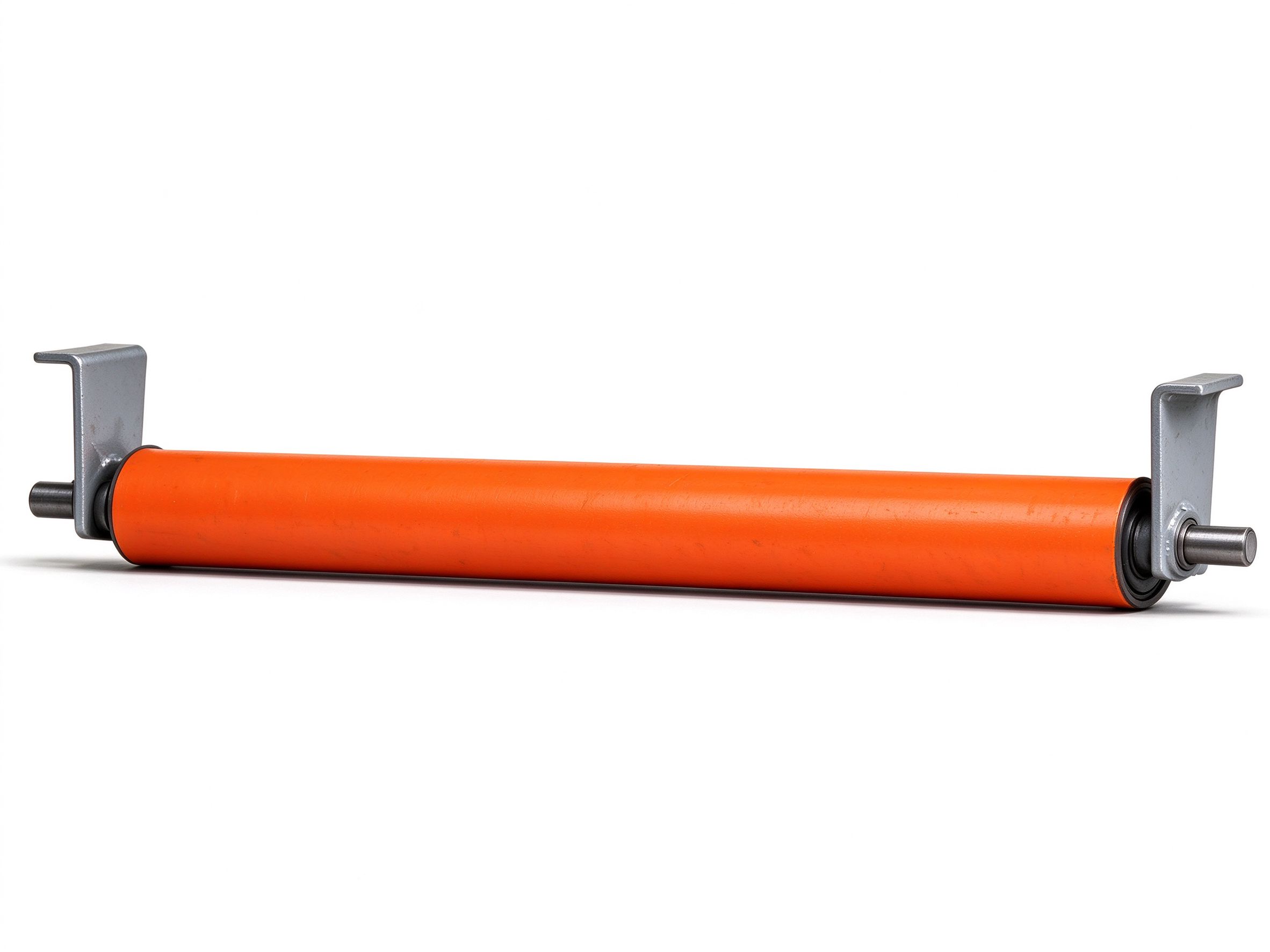
B serves light, low-capacity, dry handling; C covers general-purpose belts. Both use smaller tubes and stamped or light channel frames common on portable and light industrial conveyors.
D and E: heavy and extra heavy
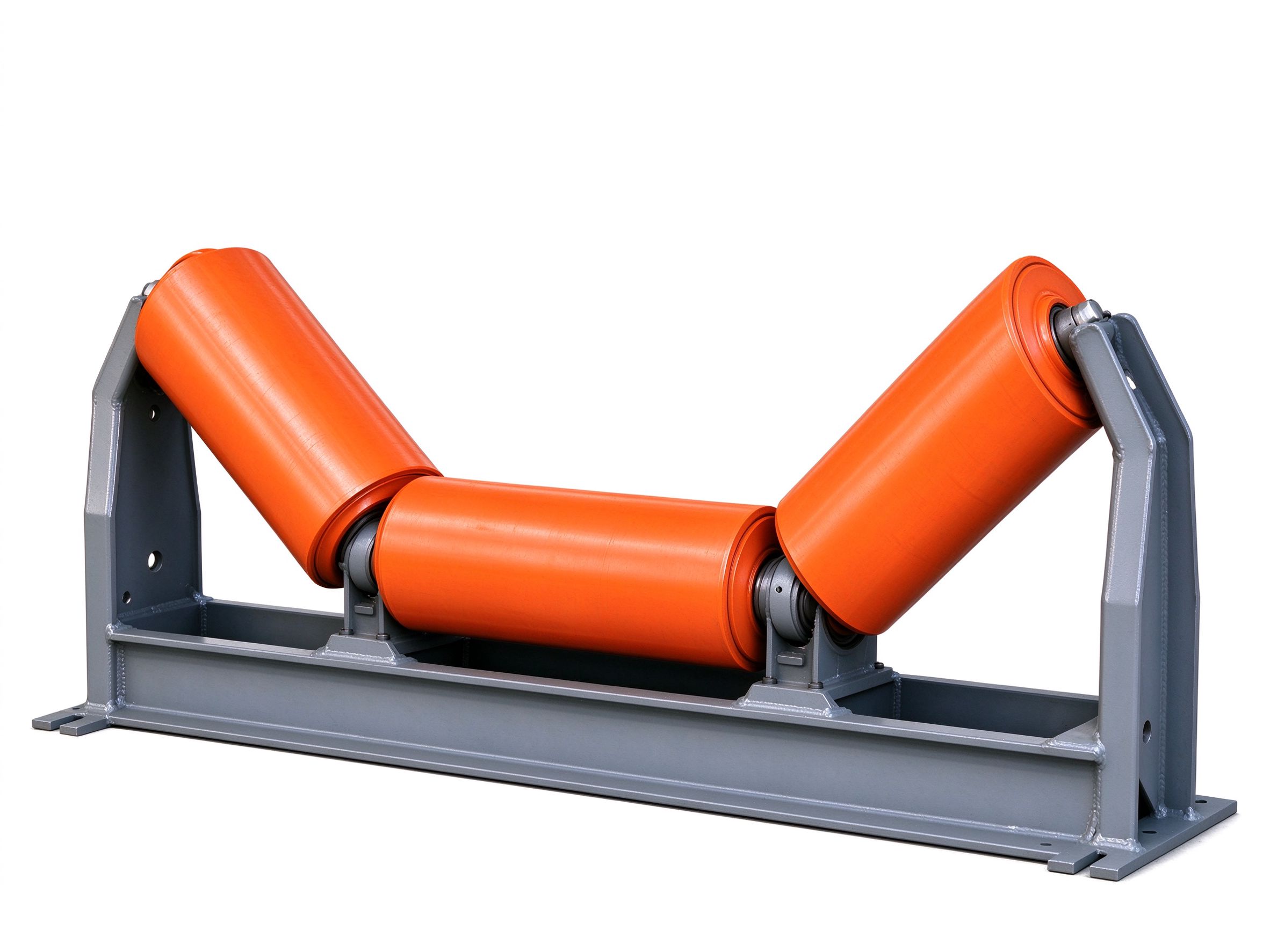
D and E use larger 5"–7" tubes, bigger bearings, thicker welded frames and stronger seals for high load, long life and harsh environments. The range covers D/E grades for mines, ports, ship loaders and stacker-reclaimers.
Use the grade as a starting point
Confirm the final selection against belt width, material density, speed, tension, temperature and duty cycle; the CEMA grade narrows the range, the application sets the exact build.