Systematic Approach to Selecting Rollers and Pulleys by Load, Material, and Conditions
A systematic approach matches conveyor rollers and pulleys as one system: align load classes, choose compatible materials, assign the right idler set and pulley to each conveyor section, and account for dust, heat, and humidity.
Match Load Ratings: Rollers and Pulleys as One System
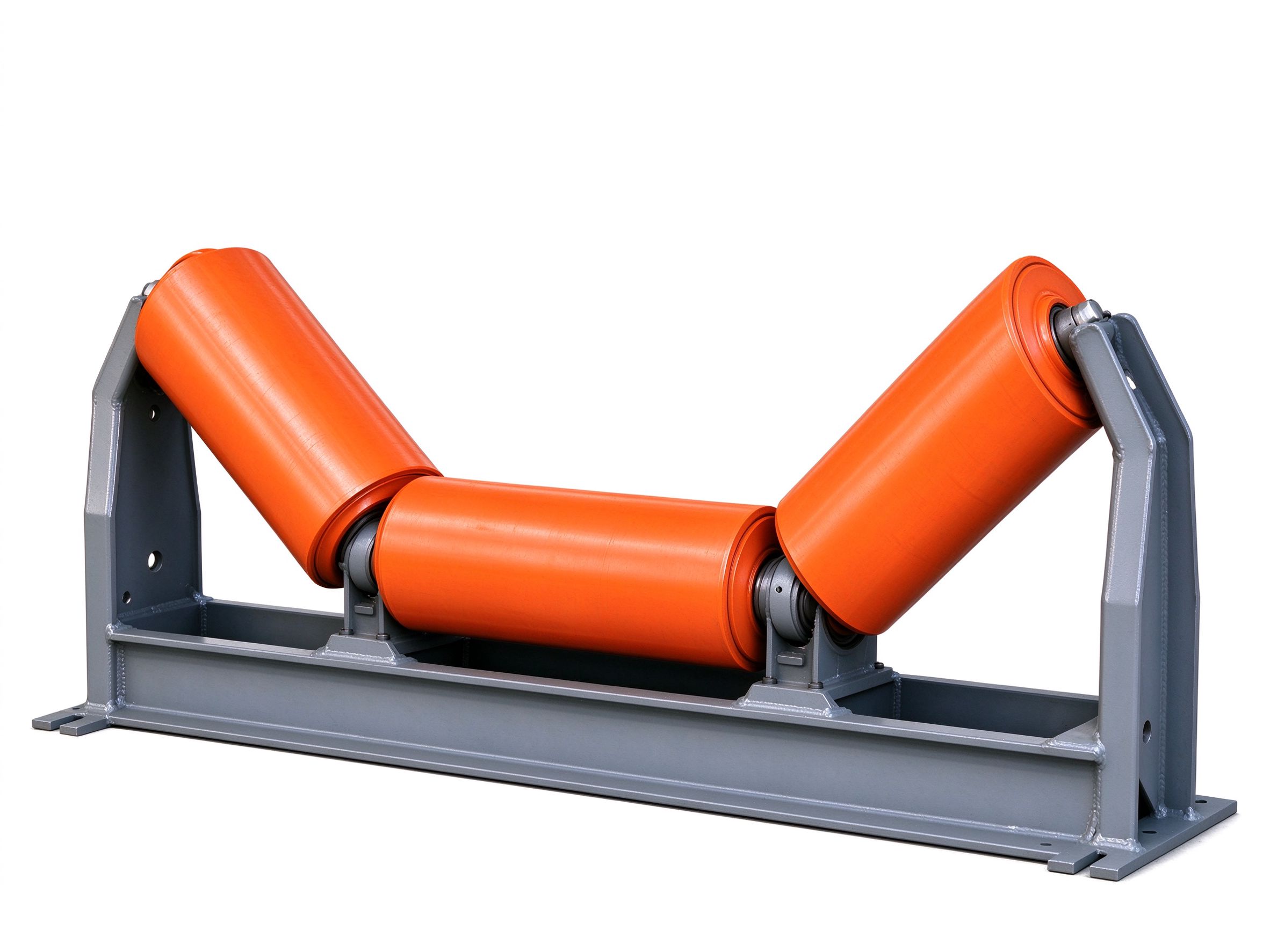
The first and most important step is defining the expected loads across the whole conveyor line. For smooth troughing idler sets, roller diameter, tube wall thickness, and bearing type are critical; for pulleys, shell diameter, shaft design, and the load capacity of the bearing assemblies matter. Both components must be rated for the same load class, otherwise the weaker component becomes the bottleneck of the entire system. Heavy-duty service in mining and cement calls for reinforced roller and pulley ranges designed to work together.
Select Materials Compatible with the Operating Environment
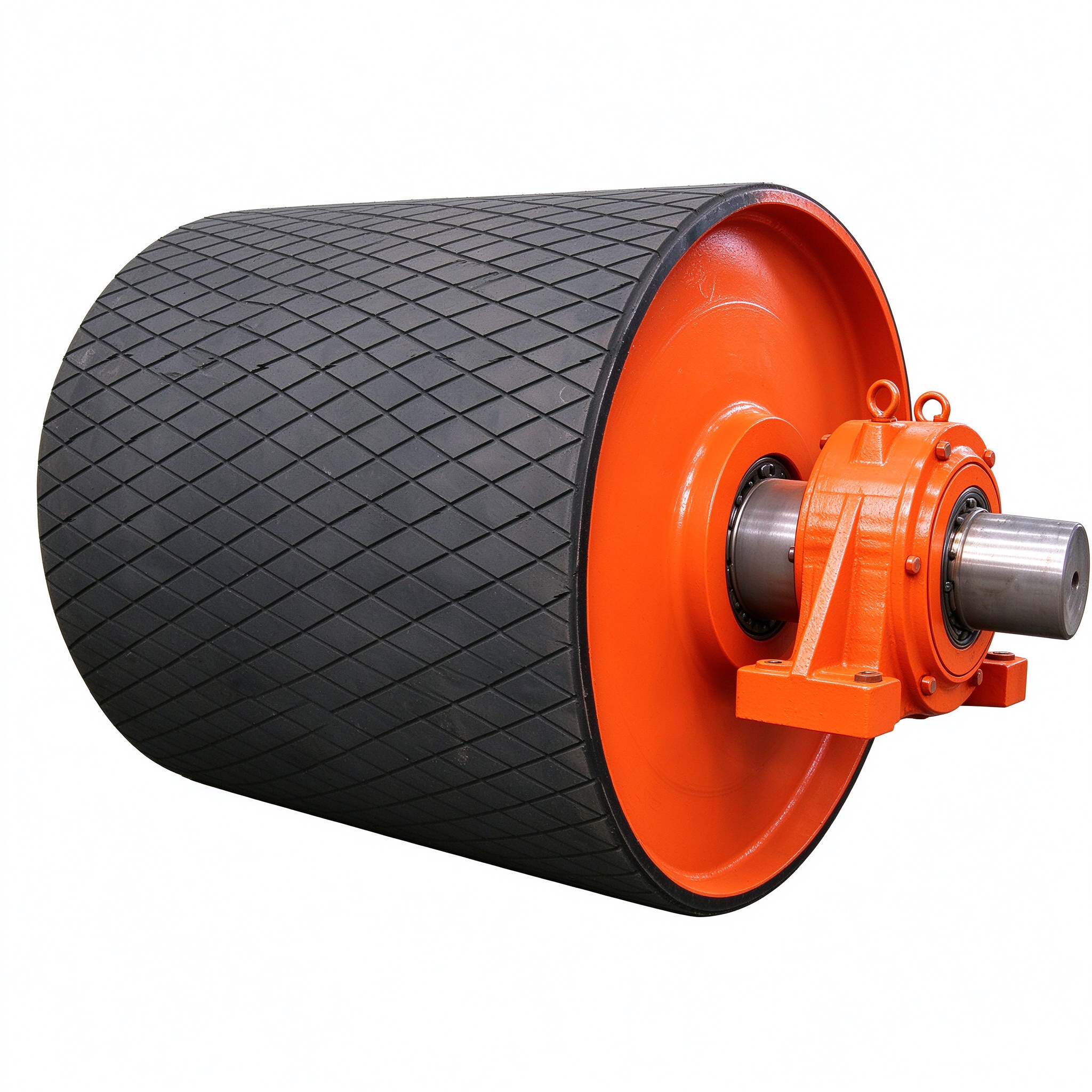
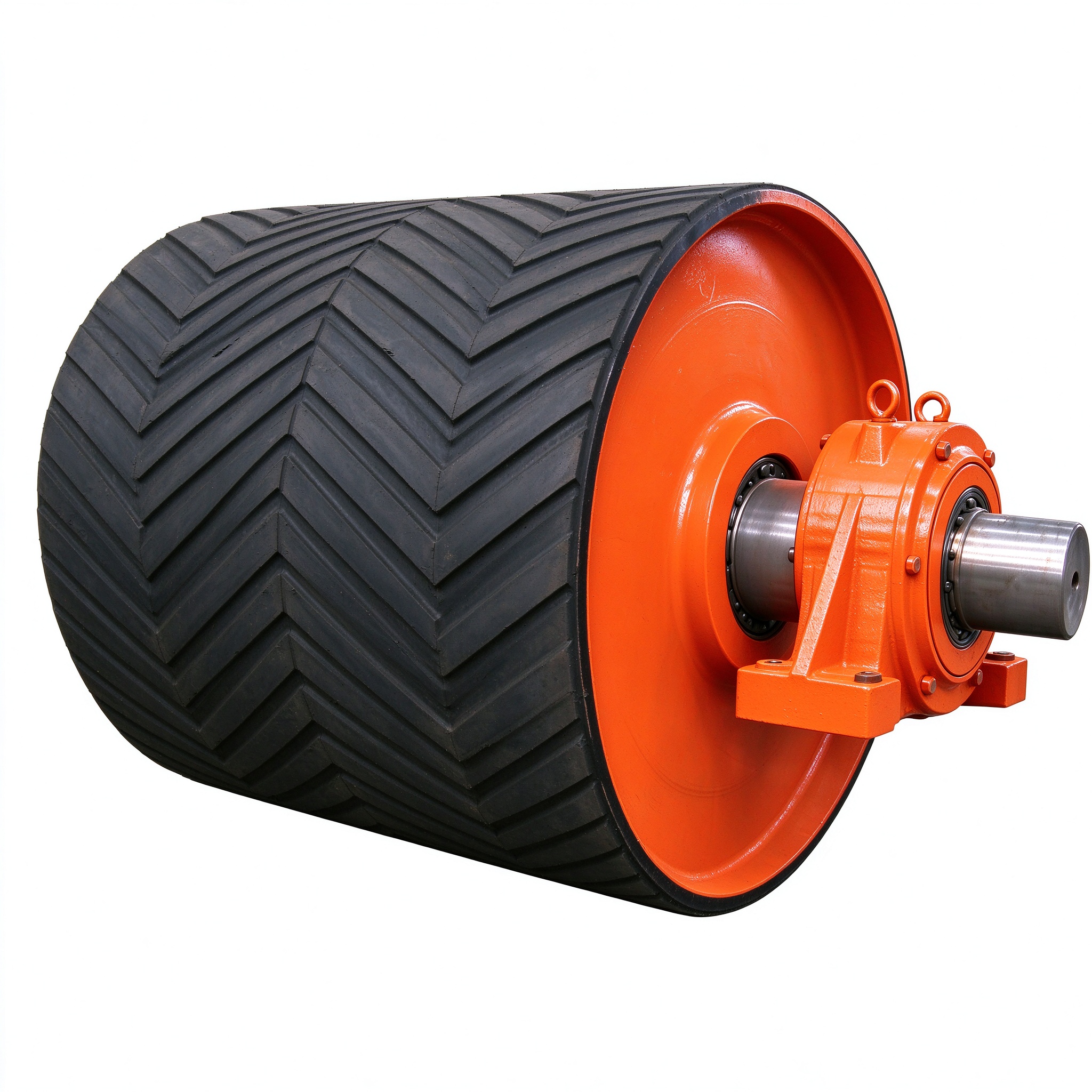
The construction material determines component durability in a specific environment, and the roller material must be compatible with the pulley's protective coating for the same medium. Steel rollers are the standard choice for moderate loads without aggressive media, with pulleys likewise made of normalized structural steel. HDPE rollers are used where corrosion resistance, moisture resistance, and chemical resistance matter; in the same conditions pulleys require anti-corrosion protection in stainless steel or special coatings. Rollers with ceramic elements or coatings suit sections with elevated abrasive load, and a ceramic lagging on the drive pulley provides matched wear resistance for the whole system; the final choice depends on temperature, load, material characteristics, and equipment life requirements.
Functional Matching by Conveyor Section
Different conveyor sections require different idler sets and the corresponding pulleys. On the straight route, smooth troughing idler sets with 20, 35, or 45 degree trough angles carry the belt, while bend pulleys provide smooth changes of direction. At the loading point, impact rollers with rubber rings reduce the impact load on the belt, and the drive pulley must account for peak load, belt-to-lagging grip, and the required tractive force. On long conveyors and complex belt paths, centering idler sets provide additional belt stabilization, with take-up pulleys compensating for belt elongation; their need is determined by the conveyor layout, track condition, load, and calculation results. On the return run, cleaning spiral rollers remove adhered material and lower centering idler sets stabilize the return belt.
Sizing Non-Drive Pulleys for Tension and Wrap
Non-drive pulleys, including tail, take-up, and bend pulleys, are selected according to maximum belt tension and wrap angle. Their diameter must be large enough to prevent excessive belt bending and to preserve the longevity of belt splices.
Account for Dust, Aggressive Media, Heat, and Humidity
Both rollers and pulleys must match the same operating conditions. In high dust, use rollers with reinforced sealing (labyrinth seals) and pulleys with protected bearing housings. In aggressive media, choose HDPE rollers and pulleys of stainless steel or special anti-corrosion coatings. At high temperatures, use heat-resistant pulley materials and special high-temperature greases for roller and pulley bearings. In high humidity, apply enhanced corrosion protection to both components.
Systematic Selection Summary
Correct selection of conveyor rollers and pulleys requires a systematic approach in which both components are aligned by load, material, and operating conditions. Matching the weaker element to the stronger one prevents premature wear, frequent downtime, and the financial losses that follow when rollers and pulleys are chosen independently.