Belt Life Maintenance and Diagnosis: Why Conveyor Belts Wear and How to Extend It
Diagnose mechanical, thermal and chemical belt wear, and apply inspection, tension control, material matching and quality support to extend belt life.
Why the Conveyor Belt Wears
Belt life directly depends on belt condition, the most heavily loaded and expensive consumable in the system. Abrasive particles of coal, ore, sand and gravel act like sandpaper on the belt surface, with the greatest wear in the loading zone where material falls from height; without impact rollers and lagging, impact loads destroy the top rubber layer and expose the internal fabric or steel cord carcass. Transporting hot clinker, cement, ash and other high-temperature material makes ordinary rubber-fabric belts lose elasticity, crack and delaminate, requiring heat-resistant belts rated up to 200°C. Fertilizers, salts, chemicals and other aggressive media break down the rubber cover; without oil or gasoline-resistant or acid-resistant construction, service life drops several times over. Misalignment, excessive tension, overload and uneven feed are common accelerants: constant edge rubbing against steelwork frays and tears edges, while excess tension stretches the belt and lowers strength.
Routine Inspection and Cleaning
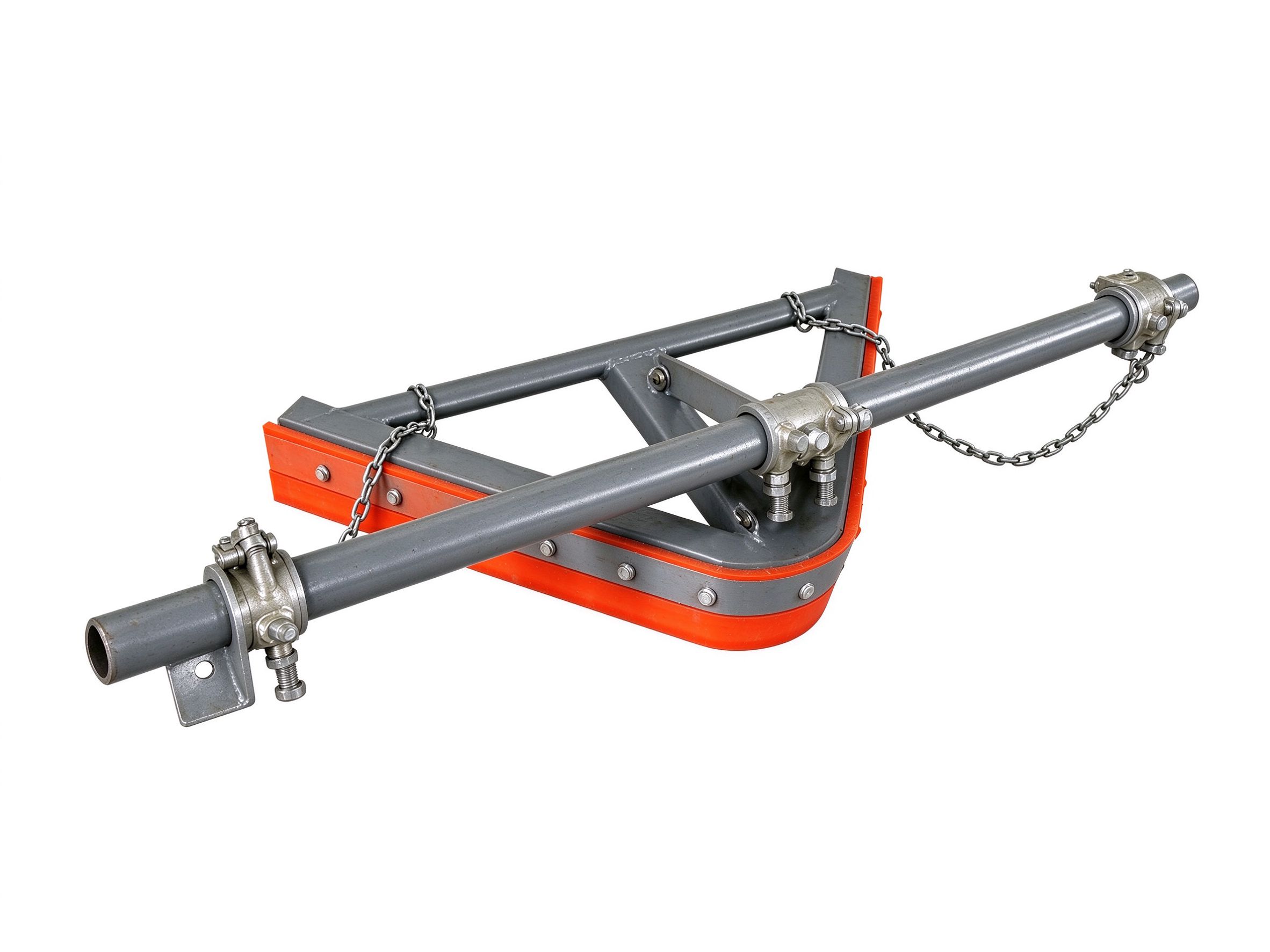
Daily visual checks catch cracks, cuts and delamination at an early stage. Cleaning rollers and spray-wash removal systems strip carryback from the return run, preventing abrasive rubbing and reducing drive load.
Tension and Tracking Control
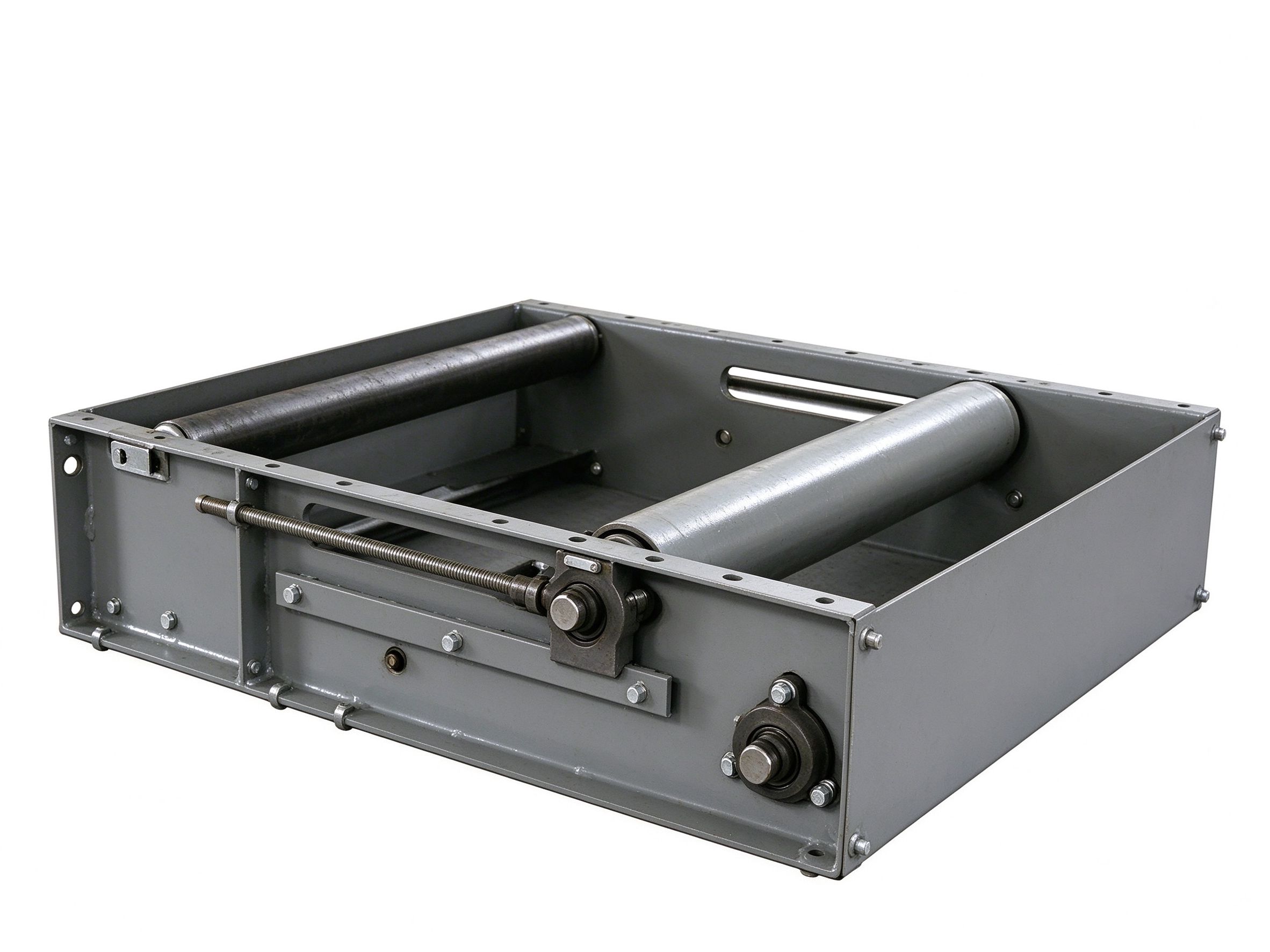
Correct tension gives grip on the drive pulley without slip while avoiding excess load on the carcass; drive pulleys with rubber or ceramic lagging maintain reliable grip even at lower tension. Self-aligning idler frames automatically correct misalignment, eliminating rubbing against structures and edge damage.
Selecting Wear-Resistant Belt Materials
Belt type must match the material: flame-retardant PVC/PVG belts for coal; heat-resistant belts for cement and clinker; oil or gasoline-resistant belts for chemical media; belts with a reinforced top cover and steel cord carcass for large-lump abrasive rock.
Using Quality Rollers and Pulleys
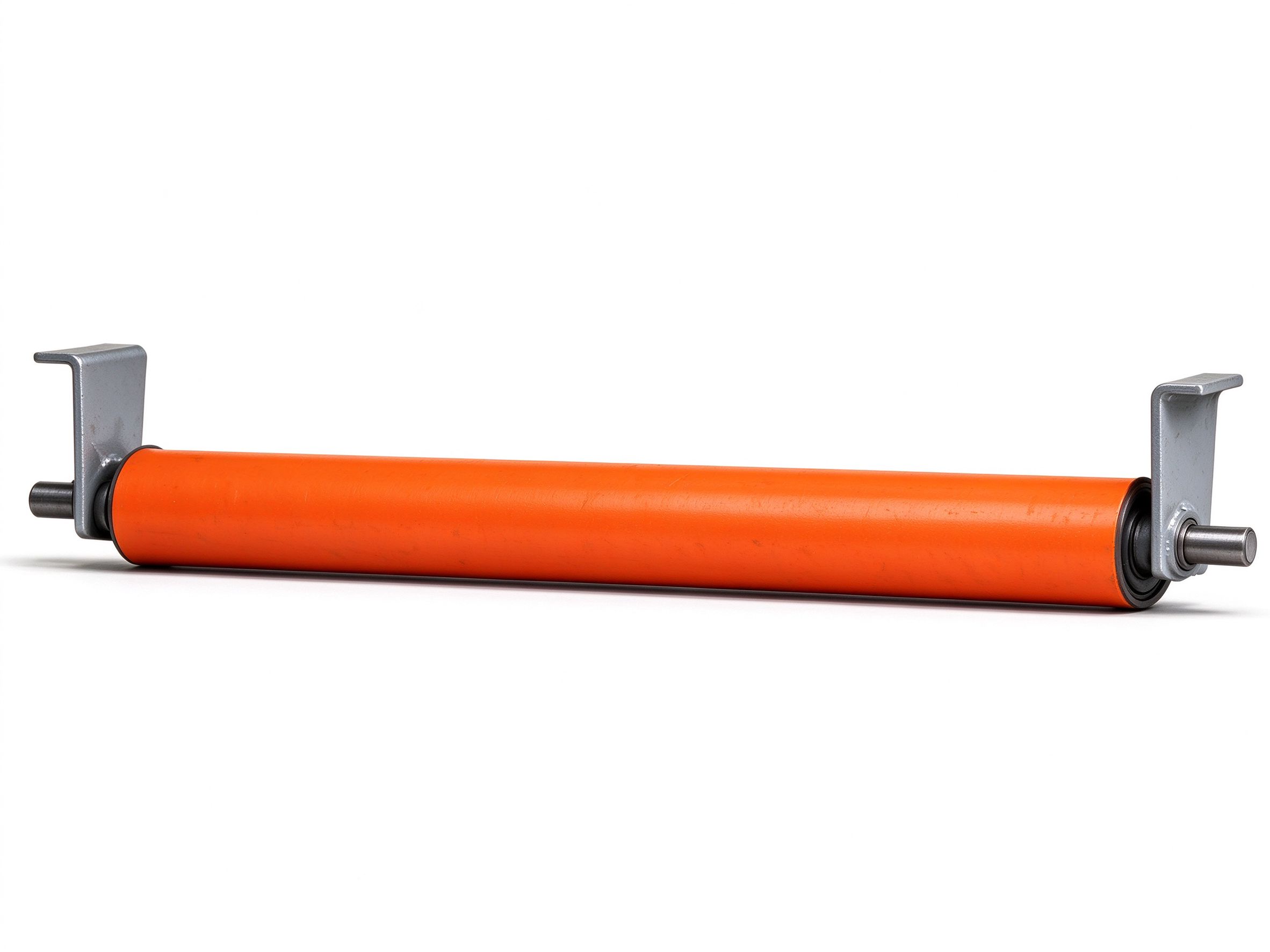
Rollers with sealed bearings rated up to 60,000 hours lower rotational resistance and distribute load evenly; HDPE rollers exclude corrosion in aggressive media, and impact rollers in the loading zone absorb shock, extending belt life by 30 to 50 percent.
Conclusion
Belt life maintenance rests on early inspection, controlled tension and tracking, a belt matched to the material, and support from properly sealed rollers and impact absorption; diagnosing wear before it reaches the carcass avoids unplanned downtime and replacement cost.