5 Conveyor Roller Wear Signs: Diagnosis and Maintenance to Extend Service Life
Five warning signs of worn conveyor rollers, covering noise, ring wear, grease leakage, mistracking and frequent stops, plus a practical maintenance program.
Unusual Noise and Vibration
Metallic scraping, knocking or uneven humming is the first sign of bearing wear. On HDPE rollers bearings are protected by labyrinth seals, but these still need periodic checking. Vibration can indicate lost balancing, which is especially critical on high-speed conveyors.
Worn Surface and Rubber Rings
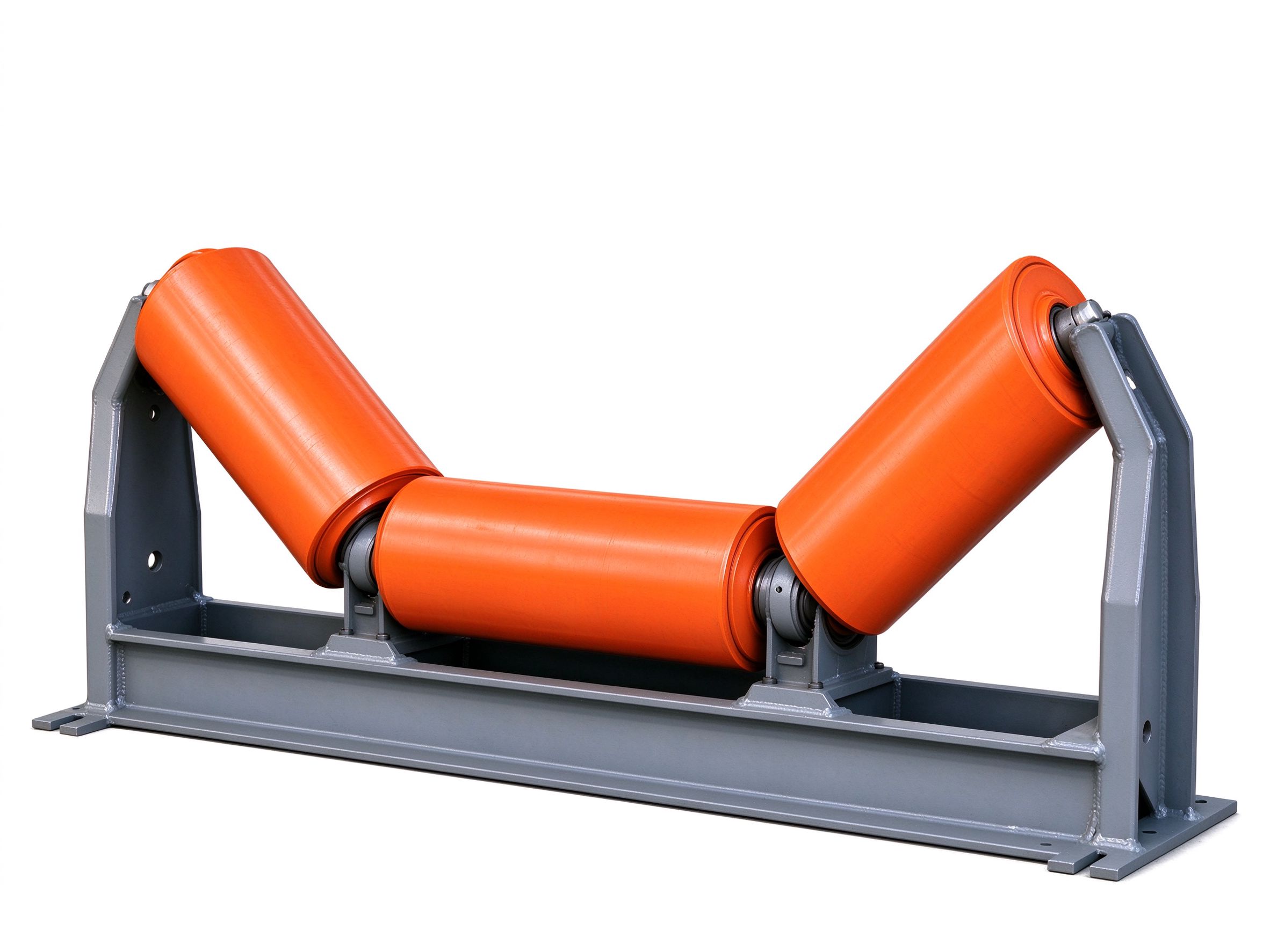
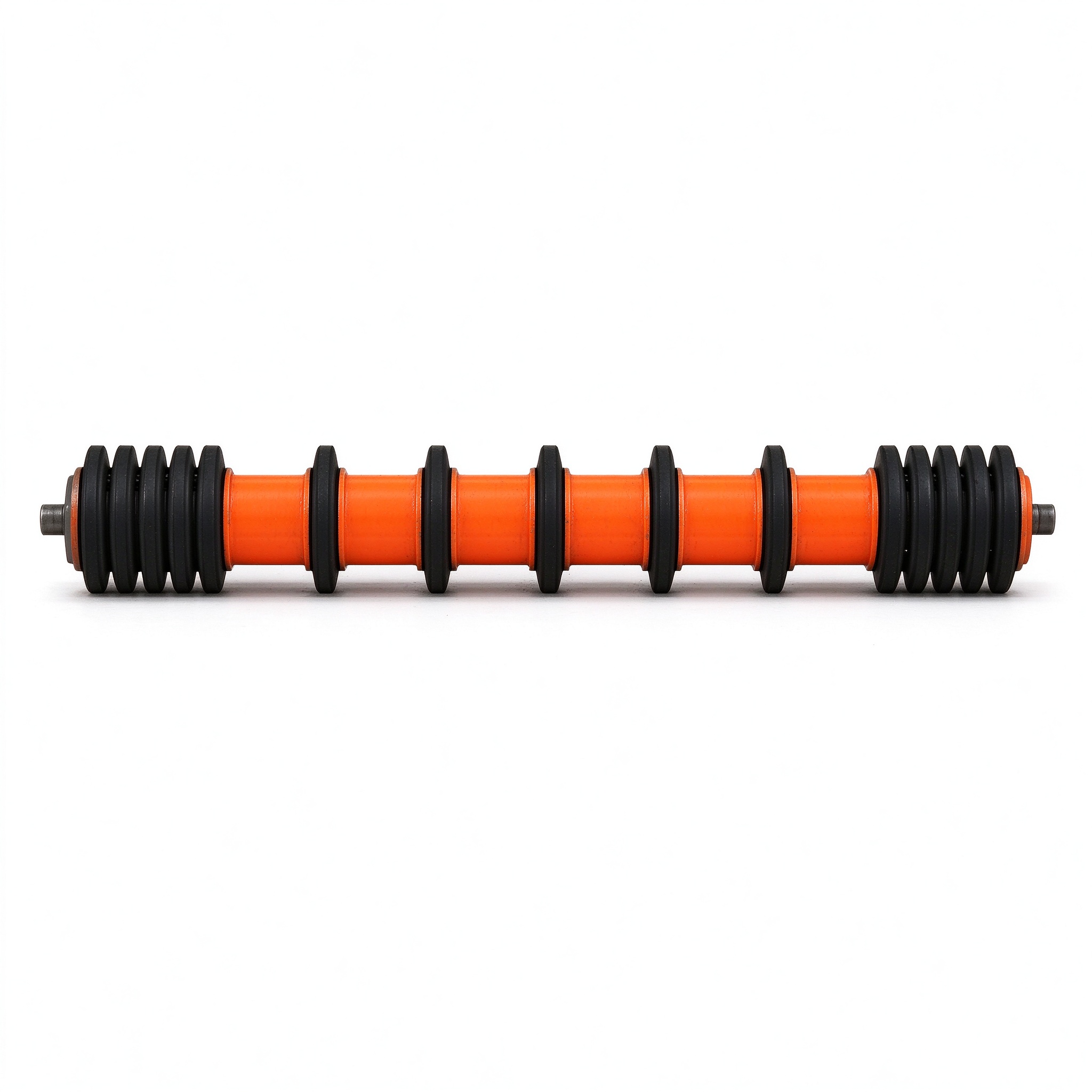
Cracks, chips, uneven shell wear or worn rubber rings on impact and cleaning rollers are clear replacement signs. Pay special attention to rollers in loading zones, which take the highest loads, including at cement plants handling clinker.
Grease Leakage and Hot Housing
Bearing sealing integrity is a critical parameter. Grease traces around the end caps or a roller housing that feels hot to the touch mean the seals have lost integrity. HDPE rollers with labyrinth seals show better sealing, but still require monitoring under heavy dust.
Persistent Belt Misalignment
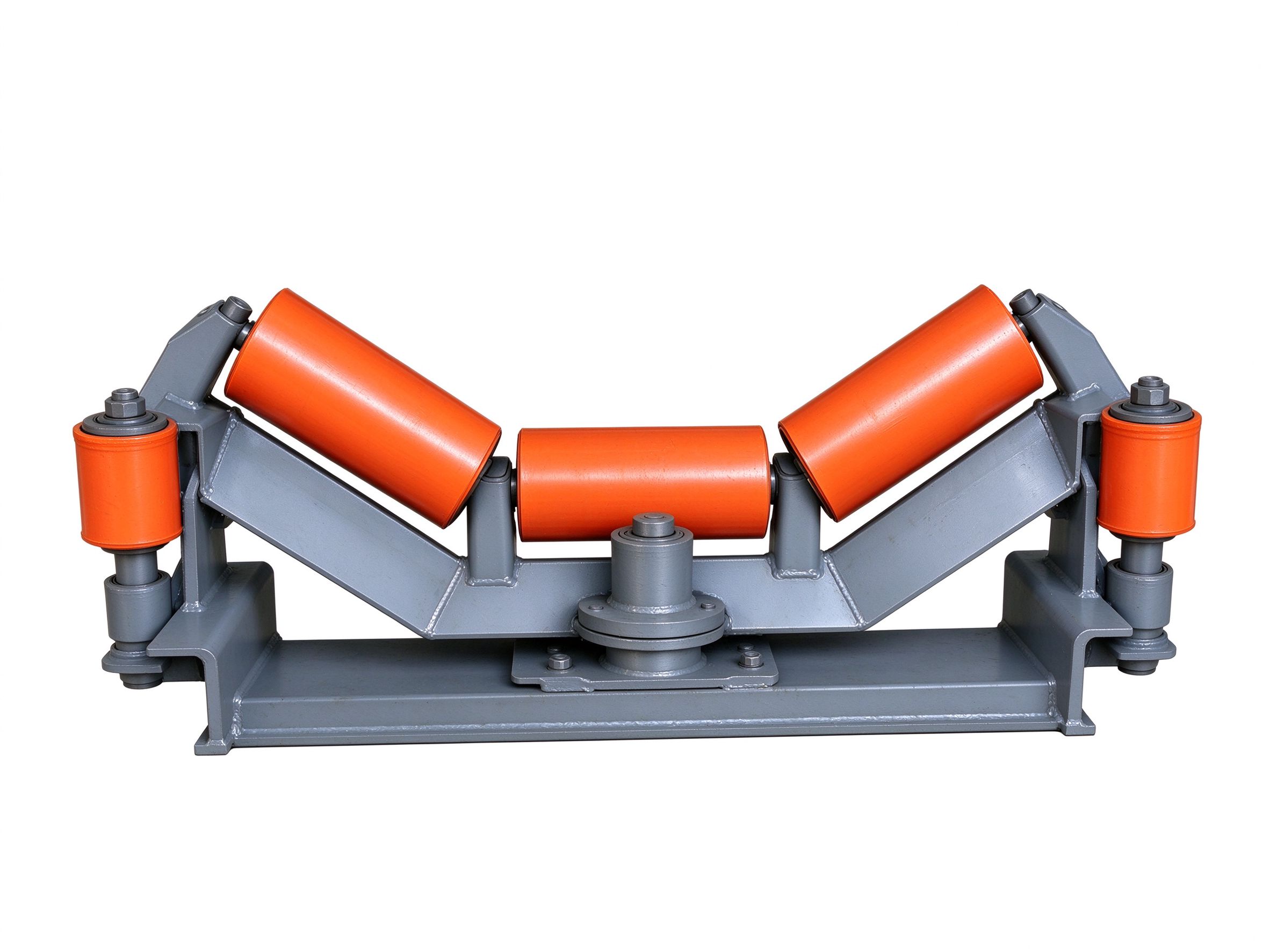
If the belt constantly drifts to one side and adjustment gives no stable result, it may indicate uneven wear on smooth rollers; the belt then rubs against structural members and edge wear accelerates. Regular checking of roller alignment prevents this.
Frequent Conveyor Shutdowns
Regular stops caused by overload or sensor trips can follow higher rotational resistance from worn rollers; this is especially relevant to cleaning rollers, on which material can accumulate. Regular cleaning and replacing worn parts reduce false trips.
Extending Roller Service Life
A practical program combines visual inspection every 3 months with detailed diagnosis every 6 months, timely lubrication with quality grease especially for steel rollers, correct roller type selection (HDPE in aggressive media, impact in loading zones, cleaning on the return run), and replacement at the first wear signs rather than waiting for complete failure.