Heavy-Duty Conveyor Roller Types: Smooth, Impact, Cleaning, and HDPE Rollers Explained
Compare smooth, impact, cleaning spiral, and HDPE conveyor roller types for heavy-duty service, with diameter, load, drop-height, and environment guidance to match each roller to its operating condition.
Why Heavy-Duty Roller Selection Matters
Conveyor idlers are among the most heavily loaded components of a belt conveyor, and the correct choice directly affects belt service life, energy consumption, and overall system reliability. Heavy-duty conveyors in mining, coal, cement, port, and chemical service combine abrasion, moisture, impact, and aggressive media, so a single roller type rarely covers the whole line. Matching the roller construction to the material being handled and the local operating condition prevents premature wear, high friction, and unplanned downtime.
Smooth Rollers: The Universal Standard
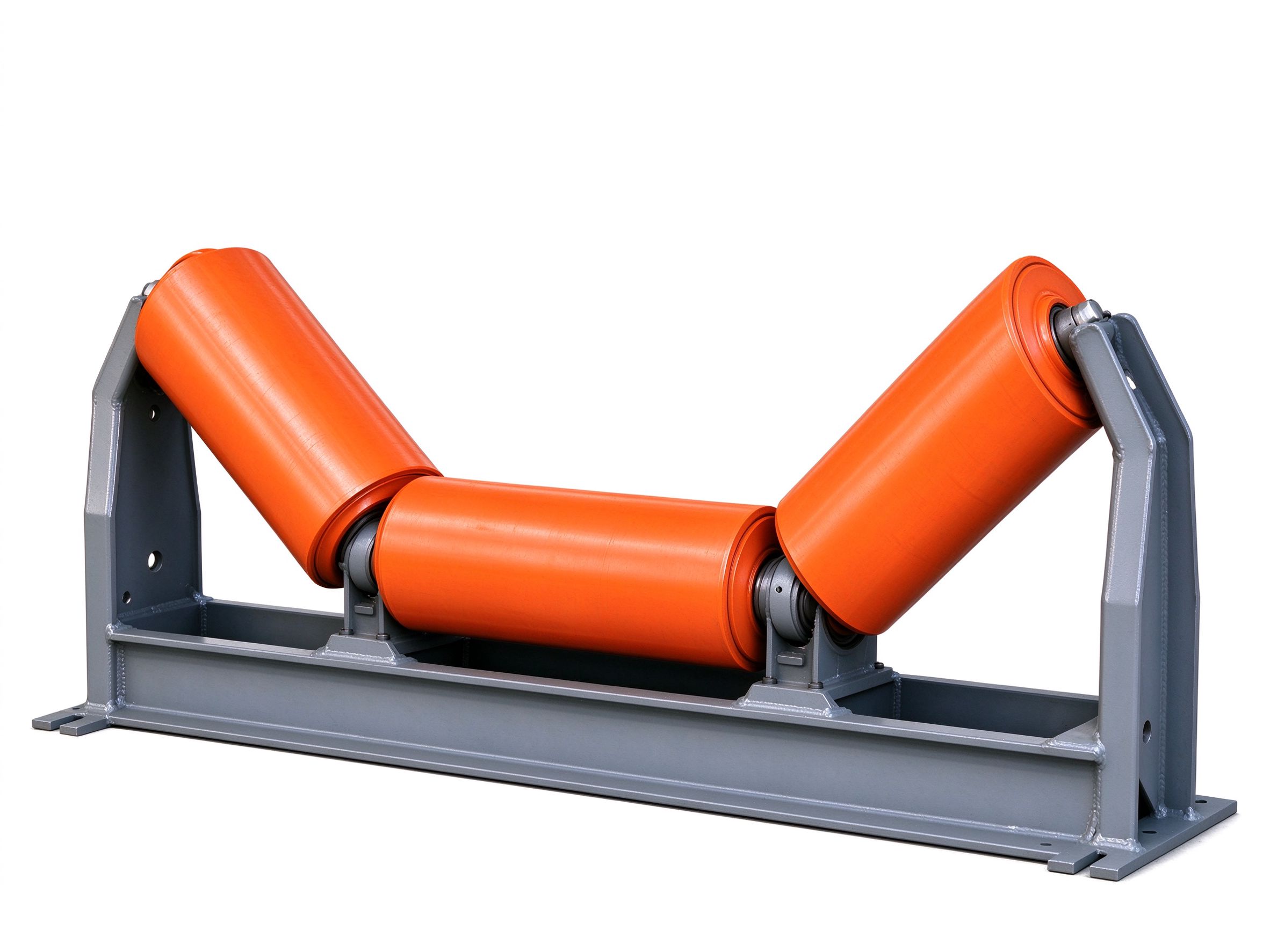
Smooth rollers are the base model and make up 60 to 70 percent of all idlers on a typical conveyor. They support the belt on straight runs and suit most standard operating conditions. Available diameters range from 89 to 219 mm, with static load capacity up to 20 kN, and they are recommended for mining, coal, and cement applications with moderate loads.
Impact Rollers: Belt Protection at Loading Points
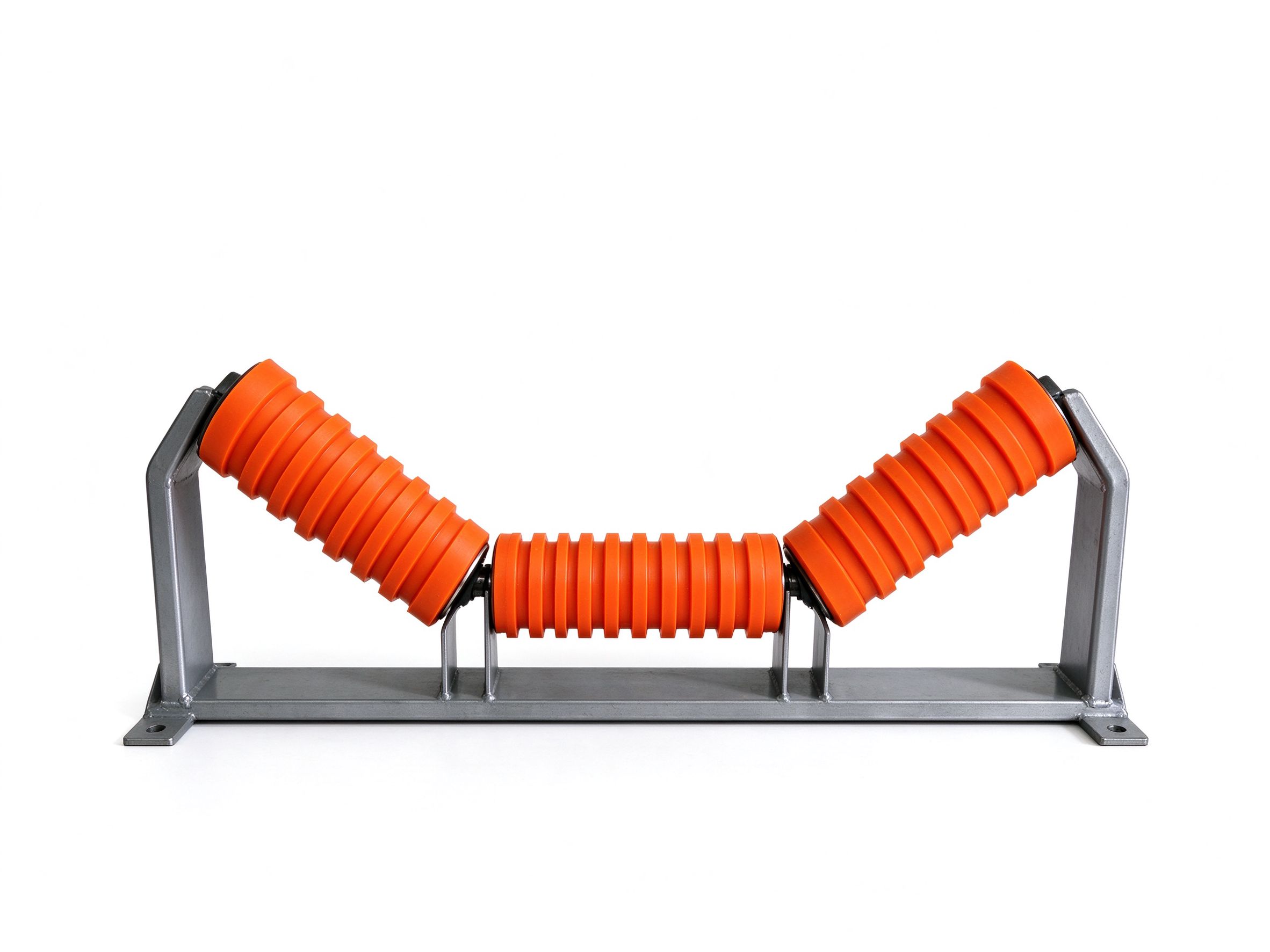
Impact rollers are fitted with rubber rings that absorb the energy released when material falls onto the belt. They cut peak loads on the belt by up to 50 percent and prevent punctures and cuts. They are ideal for loading points where the material drop height exceeds 1.5 m, and they are especially common in mining and at cement plants handling clinker.
Cleaning Spiral Rollers: Keeping the Return Run Clean
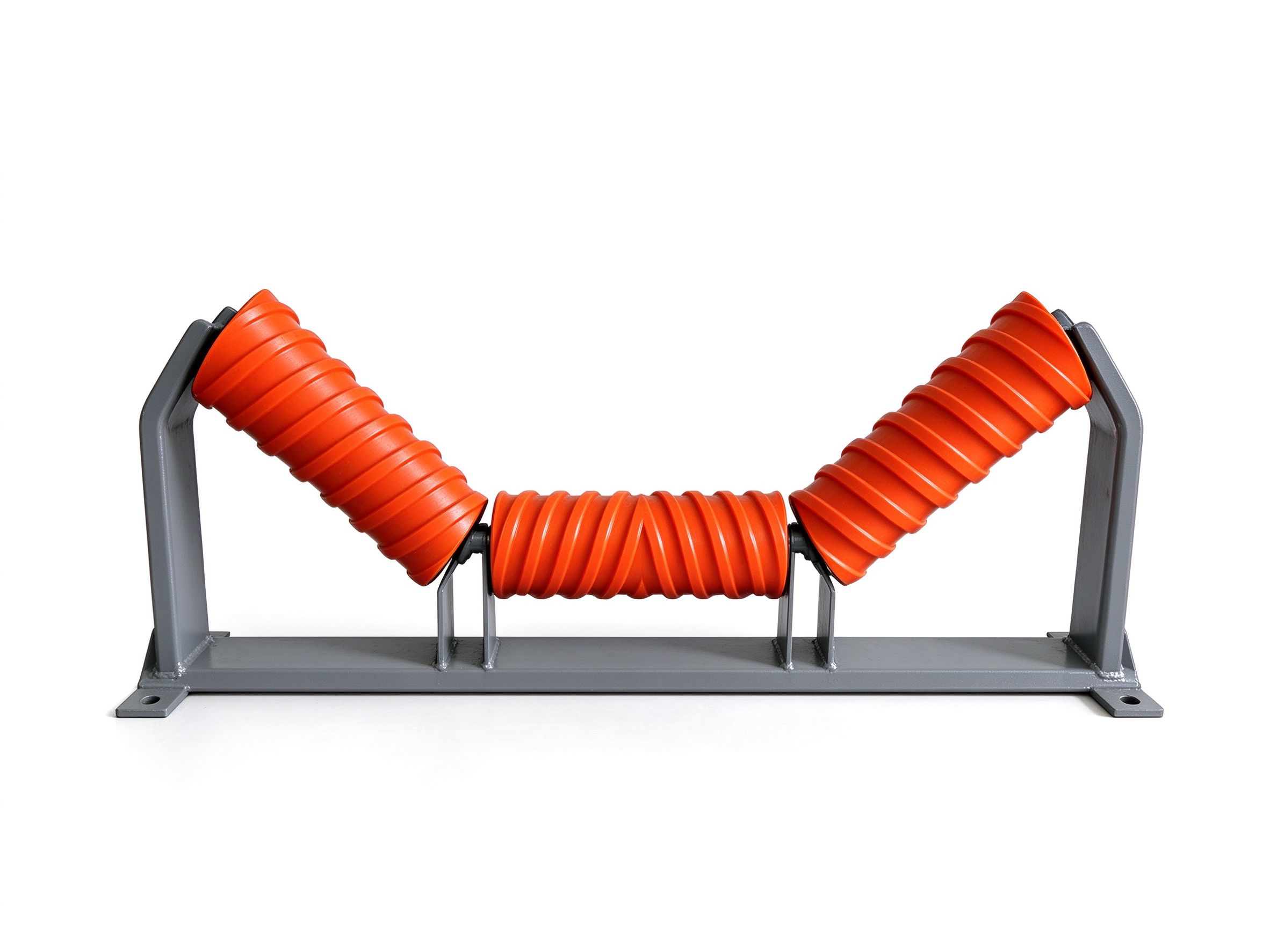
Cleaning spiral rollers are installed on the return run and remove adhered material from the belt surface. The spiral geometry creates a self-cleaning effect that lowers the workload on scraper cleaners. They are recommended for conveyors handling wet and clayey materials, coal, ore, and clinker at cement plants.
HDPE Rollers: Corrosion-Resistant for Aggressive Environments
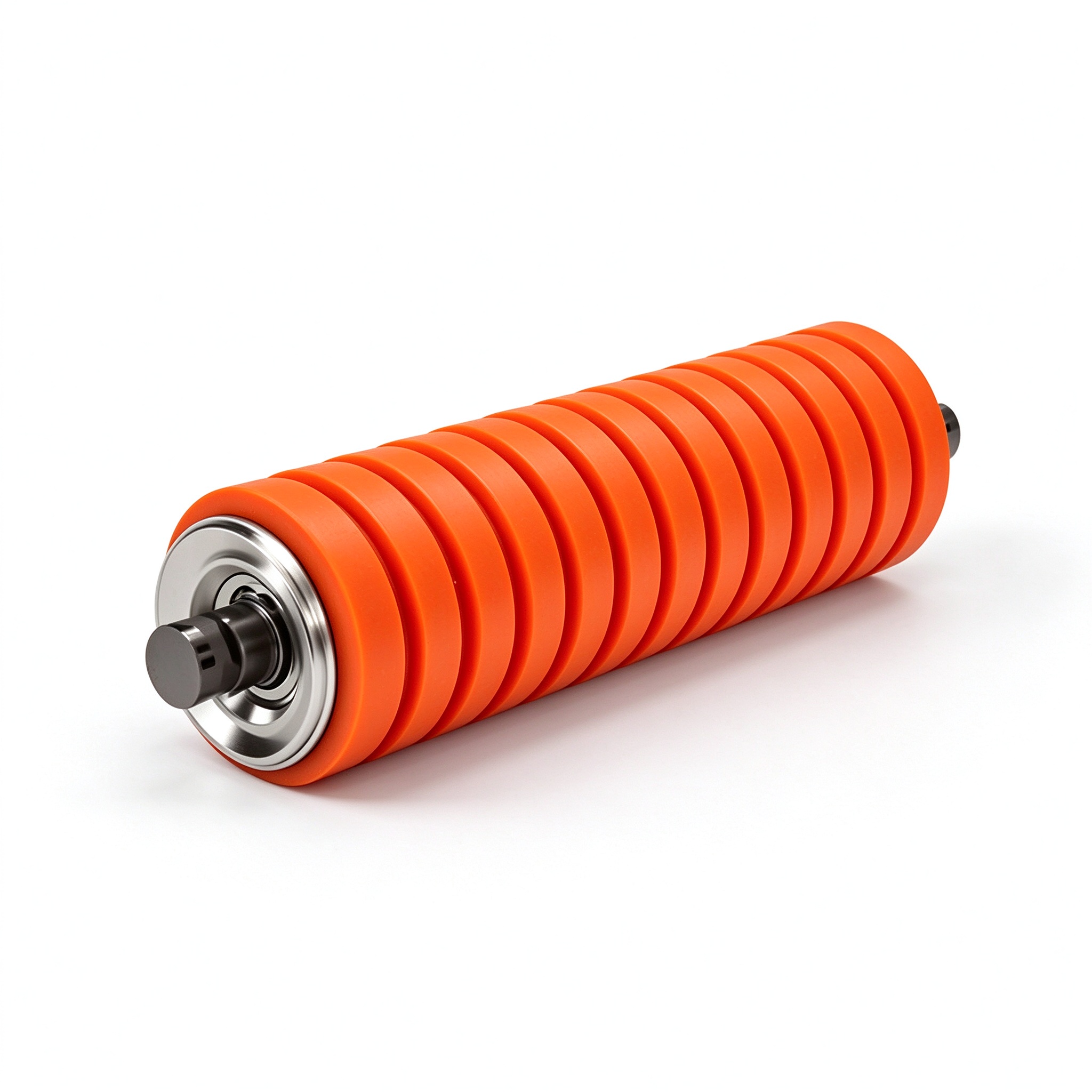
HDPE rollers made from high-density polyethylene are a modern alternative to steel rollers. They are immune to corrosion, reach a service life of up to 40,000 hours, and are considerably lighter than steel equivalents. They suit chemical plants, port terminals, and cement operations with aggressive media and high humidity.
How to Choose the Right Roller Type
Selection rests on three key factors. First, identify the material type, whether abrasive, wet, sticky, or chemically active. Second, review the operating conditions, including dust, humidity, temperature, and impact loads. Third, define the service-life requirement: steel rollers are adequate for standard conditions, while HDPE or ceramic options are required for aggressive environments.