Integrated Belt Cleaning and Wash System: Design, Specs, and Applications
An integrated belt cleaning and wash system combines multi-stage polyurethane scrapers, water spray nozzles, and a collection hopper in one housing, delivering up to 99 percent cleaning efficiency for belts from 400 to 2400 mm.
How the Integrated Belt Cleaning and Wash System Works
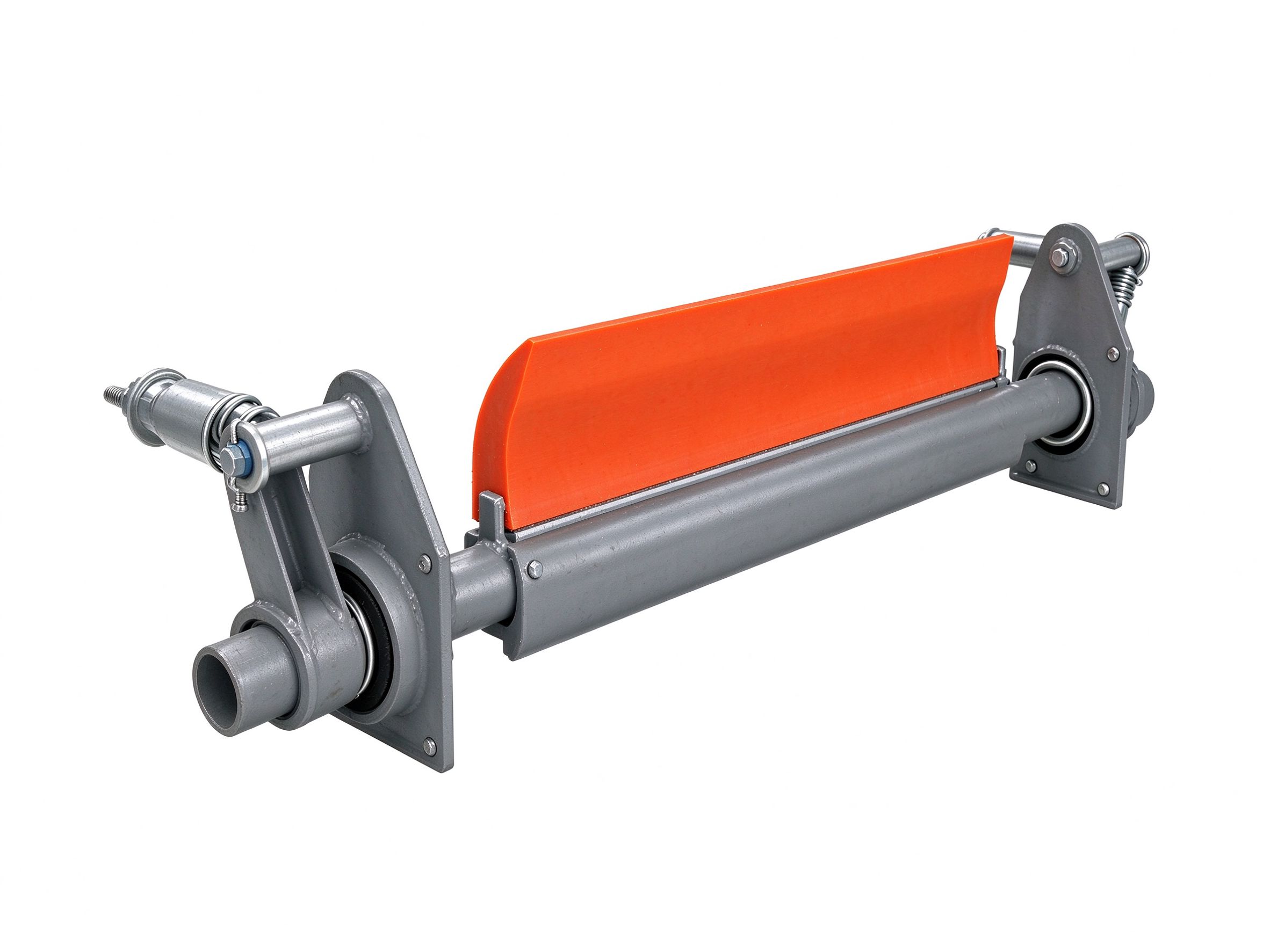
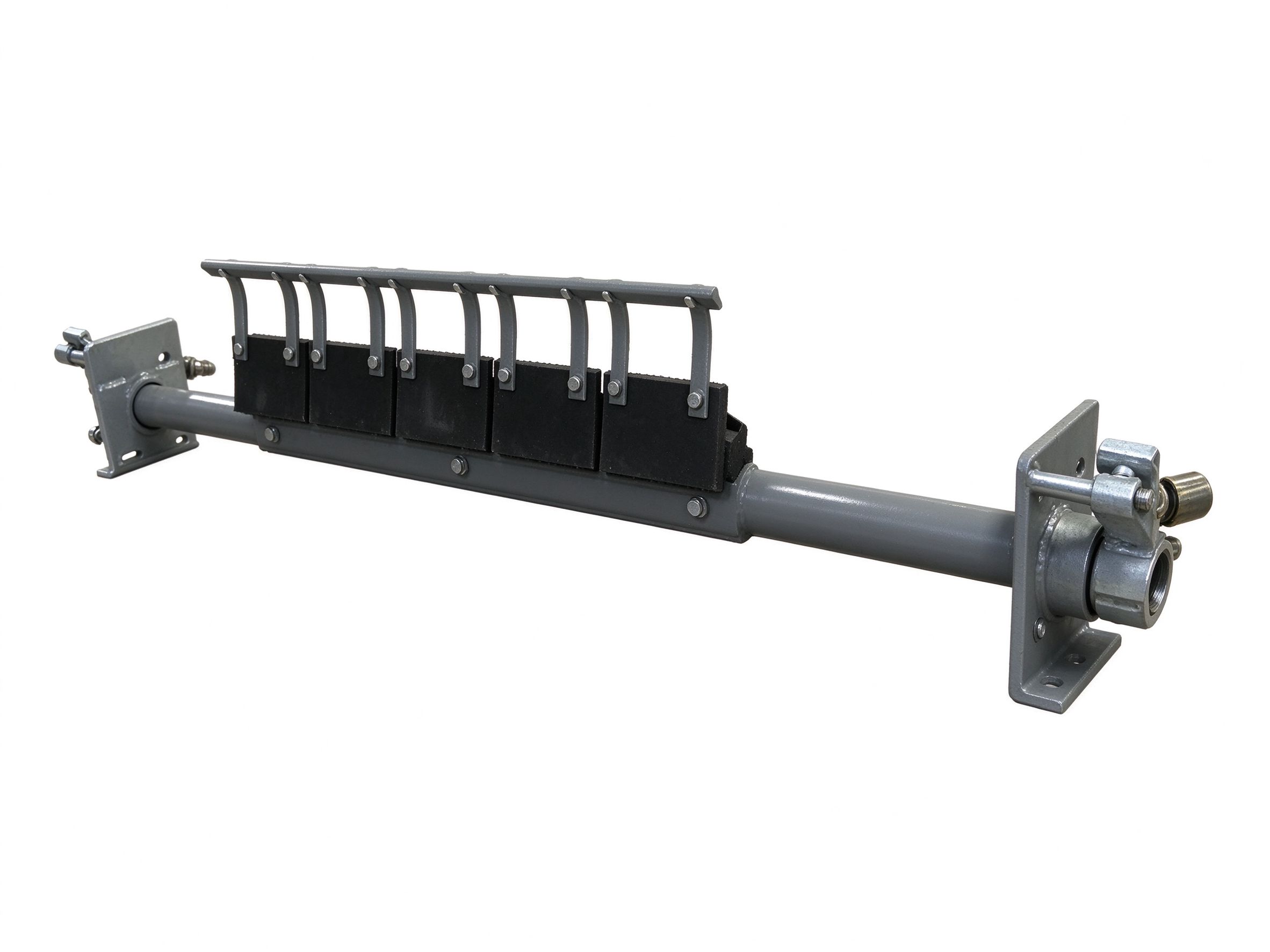
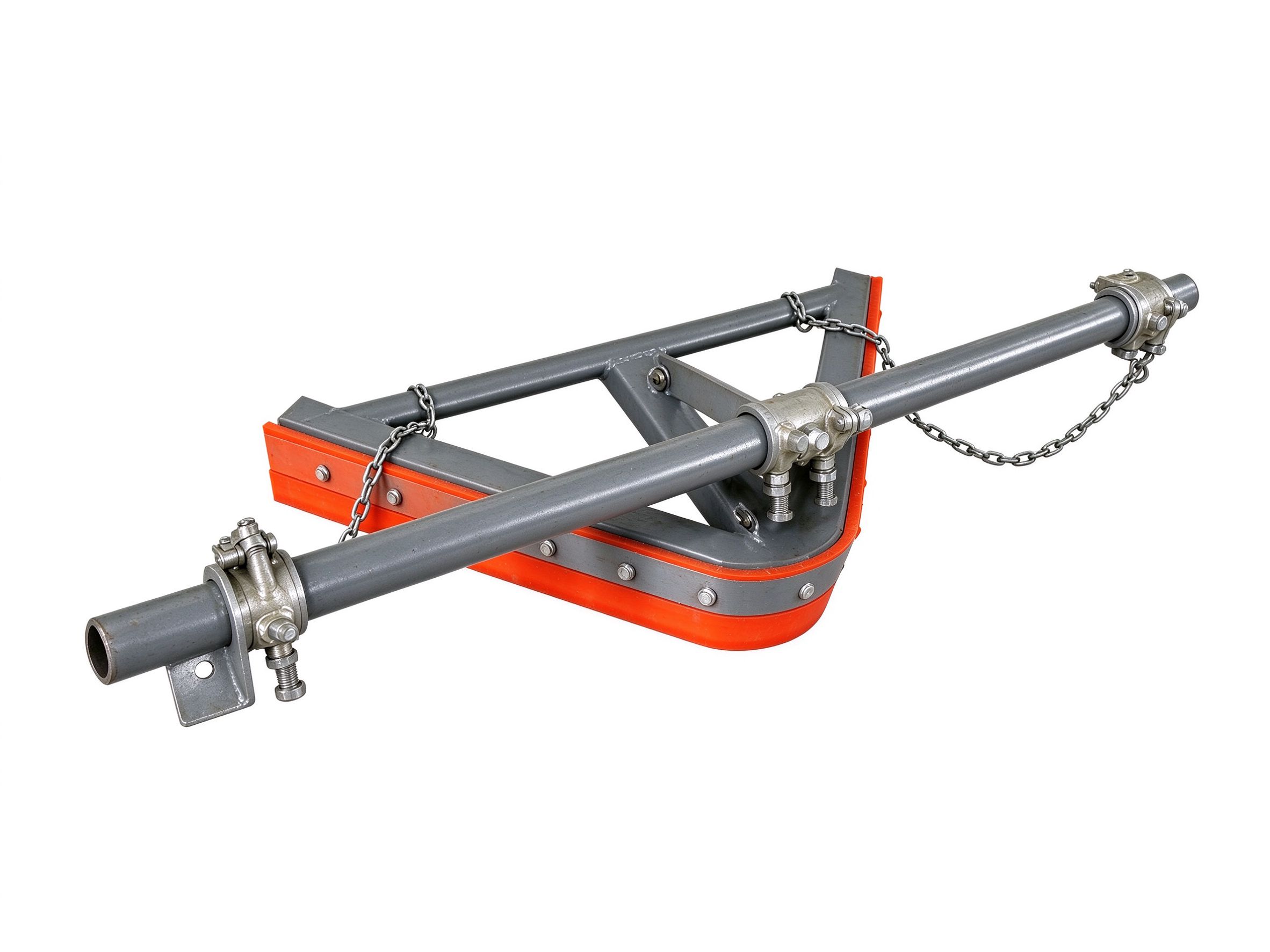
The integrated system combines water spraying with multi-stage polyurethane scrapers and a collection hopper in one rugged housing, removing adhered material at mines, ports, thermal power plants, and cement works. It reaches cleaning efficiency up to 99 percent, significantly reducing belt wear and dust emissions. Conventional head-pulley cleaning requires installing two or three separate cleaners at different points, which complicates installation, makes maintenance harder, and gives unstable results; the integrated unit performs complete cleaning in a single installation. Water is sprayed through nozzles ahead of the scrapers to soften adhered material and lower its adhesion to the belt, so the scrapers remove contamination with minimal force and wear, extending the service life of both scrapers and belt.
Key Advantages Over Scattered Conventional Cleaners
The integrated design replaces two or three separate cleaners with a single device, simplifying installation and saving space. All components are accessible through one housing for centralized maintenance. A sealed housing combined with water spray provides built-in dust suppression at the discharge point, and the integrated hopper collects removed material for convenient disposal or return to the process.
Technical Specifications
The system suits belt widths from 400 to 2400 mm and belt speeds up to 3.8 m/s. The housing is built from powder-coated steel or stainless steel, with custom configurations available; the number of scrapers can be adjusted to the application. Each system ships with an installation manual, and supervised installation is available when required.
Industry Applications
In mining and quarries, the system cleans belts after coal, ore, and crushed stone with high moisture and clay content. Ports and terminals benefit from corrosion resistance under high humidity and saltwater. At thermal power plants it cleans coal conveyors with effective dust suppression. Cement plants use it to remove sticky clinker, limestone, and clay, while chemical and fertilizer plants rely on it to clear aggressive and sticky materials from the belt.
Engineering Summary
Combining water pre-wetting with staged polyurethane scraping in one sealed housing reduces the number of cleaners, simplifies maintenance, suppresses dust, and collects removed material, making the unit suitable for wet, sticky, and aggressive bulk handling across mining, port, power, cement, and chemical service.